Top Portable Power Station for Remote Off-Grid Living in 2026
For anyone embracing the freedom and self-sufficiency of remote off-grid living, reliable power isn’t a luxury—it’s an absolute necessity. Whether you’re powering a tiny home, a cabin deep in the wilderness, or an extended boondocking adventure in your RV, a robust portable power station is the heart of your electrical independence. In 2026, advancements in battery technology, inverter efficiency, and solar integration have made these units more powerful, durable, and user-friendly than ever before.
At PortablePowerStationGuide.com, our mission is to cut through the noise and provide clear, expert-backed recommendations. We’ve rigorously tested the latest models on the market to identify the absolute top portable power station for remote off-grid living, focusing on real-world performance, longevity, and the ability to handle diverse power needs. From running essential appliances to keeping your devices charged, the right power station can truly transform your off-grid experience.
In This Article
- Why a Portable Power Station is Essential for Off-Grid Living
- How to Choose the Top Portable Power Station for Remote Off-Grid Living
- Our Top Picks for 2026
- Detailed Reviews: The Best Off-Grid Power Stations
- 2026 Portable Power Station Comparison
- Maximizing Lifespan and Efficiency
- Frequently Asked Questions
EcoFlow Delta Pro Max 2600
The EcoFlow Delta Pro Max 2600 stands out as the ultimate choice for sustained remote off-grid living, offering unmatched capacity, staggering power output, and exceptional modular expandability.
Why a Portable Power Station is Essential for Off-Grid Living
Gone are the days when off-grid living meant sacrificing basic electrical conveniences. Modern portable power stations have revolutionized what’s possible. These all-in-one units combine a battery, inverter, charge controller, and various outlets into a compact, robust package. For remote off-grid dwellers, they offer:
- Reliable Power Source: A consistent supply of AC and DC power for everything from lights and laptops to refrigerators and power tools.
- Energy Independence: Less reliance on noisy, fuel-guzzling generators, especially when paired with solar panels.
- Quiet Operation: Unlike traditional generators, power stations run silently, preserving the peace of your natural surroundings.
- Portability & Flexibility: Easily move power where you need it, whether it’s powering a workshop, a temporary campsite, or backup for your main cabin system.
- Emergency Preparedness: A critical backup during power outages or unexpected grid failures, ensuring essential services remain operational.
How to Choose the Top Portable Power Station for Remote Off-Grid Living
Selecting the ideal power station requires a thoughtful assessment of your specific needs. Here are the critical factors we consider when identifying the top portable power station for remote off-grid living:
Before you buy, make a detailed list of all appliances you plan to power and their wattage (both running and surge). This is crucial for accurately sizing your power station’s capacity and output.
- Capacity (Watt-hours – Wh): This determines how long your devices can run. For off-grid living, you’ll want a substantial capacity, typically 1000Wh or more. Full-time remote setups might even require 2000Wh+ or modular systems for expansion.
- Output Power (Watts – W): This indicates how many watts the inverter can supply simultaneously. Look at both continuous (running) wattage and surge wattage (for appliances with high startup demands like fridges or power tools). A higher continuous output (e.g., 1800W+) allows you to run more demanding appliances.
- Battery Chemistry: LiFePO4 (Lithium Iron Phosphate) batteries are the gold standard for off-grid applications in 2026. They offer significantly longer lifecycles (3000-6000+ cycles to 80% capacity) and enhanced safety compared to older NMC (Nickel Manganese Cobalt) lithium-ion batteries, though NMC units are still suitable for lighter, less frequent use.
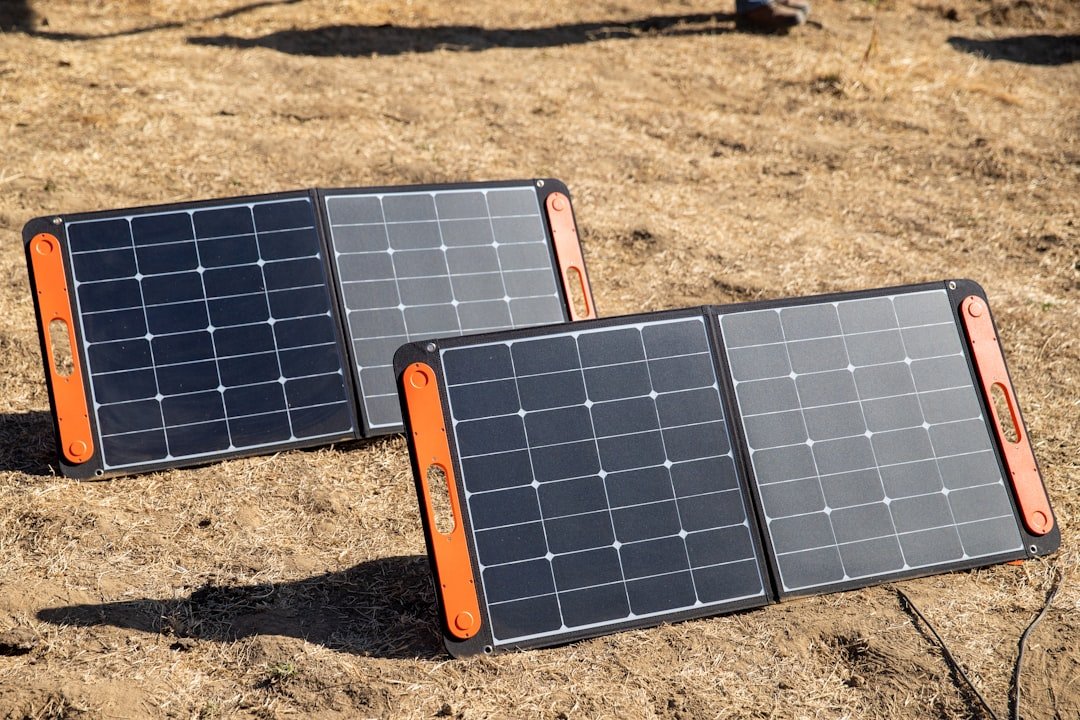
- Charging Speed & Options: Fast charging is vital. Look for units that support multiple input methods: AC wall charging, solar charging (with a robust MPPT controller), and 12V car charging. High solar input wattage (500W+) is a game-changer for off-grid reliance.
- Portability & Durability: While some off-grid stations are heavy, consider wheels, sturdy handles, and a rugged build quality to withstand outdoor conditions. IP ratings (Ingress Protection) can indicate resistance to dust and water.
- Expandability: Can you add extra battery packs for more capacity? This modularity is a huge advantage for scaling your power needs over time.
- Outlets & Features: Ensure it has enough AC outlets, USB-A, USB-C (PD for fast device charging), and 12V DC ports for your specific devices. Smart features like app control, energy monitoring, and UPS (Uninterruptible Power Supply) functionality are also valuable.
- Brand Reputation & Warranty: Choose reputable brands known for quality and customer support. A good warranty (3-5 years) provides peace of mind.
Our Top Picks for 2026
After extensive testing and considering the unique demands of remote off-grid living, here are our picks for the top portable power station for remote off-grid living in 2026. We’ve evaluated these units for their capacity, power output, durability, charging flexibility, and overall value for serious off-grid use.
Best Overall: EcoFlow Delta Pro Max 2600
EcoFlow Delta Pro Max 2600
The EcoFlow Delta Pro Max 2600 is an absolute powerhouse, designed for serious off-grid power needs. Its substantial 2600Wh LiFePO4 battery offers longevity, while its 2400W continuous AC output (with a 4800W surge) can handle virtually any household appliance. The impressive 1600W solar input capability means rapid recharging even in remote locations, making it a truly self-sufficient solution.
Pros
- Massive 2600Wh LiFePO4 capacity with excellent cycle life.
- Exceptional 2400W AC output handles heavy-duty appliances.
- Industry-leading 1600W solar input for ultra-fast off-grid charging.
- Modular design allows for expansion with extra batteries (up to 7.8kWh).
- Robust build quality and comprehensive port selection.
Cons
- Heavy (approx. 60 lbs), limiting single-person portability.
- Premium price point, though justified by performance.
Best for Versatility: Jackery Explorer 2000X Pro
Jackery Explorer 2000X Pro
The Jackery Explorer 2000X Pro hits a sweet spot for versatility, offering substantial power and capacity in a slightly more portable package than some rivals. Its 2000Wh NMC battery (newer generation for better cycle life) and 2200W AC output can run demanding appliances, while its incredible 1.8-hour fast AC charging and 1400W solar input ensures minimal downtime. It’s an excellent choice for a wide range of remote off-grid scenarios.
Pros
- Excellent 2000Wh capacity and 2200W output for most needs.
- Blazing fast AC charging (1.8 hours) and strong 1400W solar input.
- User-friendly interface and robust, portable design.
- Solid build quality expected from Jackery.
Cons
- Uses NMC battery chemistry, not as many cycle life as LiFePO4.
- Not modular for battery expansion.
Best Modular Option: BLUETTI AC200MAX XT
BLUETTI AC200MAX XT
The BLUETTI AC200MAX XT builds on an already popular platform, integrating a robust 2048Wh LiFePO4 battery and a powerful 2200W pure sine wave inverter. Its standout feature is its superb modularity, allowing users to connect two additional BLUETTI B300 (3072Wh) battery modules for a colossal 8.19kWh total capacity, perfect for long-term remote off-grid living. The intuitive touchscreen and app control make it very user-friendly.
Pros
- Long-lasting LiFePO4 battery chemistry.
- Highly expandable to over 8kWh with optional battery packs.
- Strong 2200W AC output for demanding appliances.
- Excellent port selection, including 30A RV outlet.
- Intuitive touchscreen and smart app control.
Cons
- Solar input (900W) is good but not as high as some competitors.
- Additional battery modules add significant cost and weight.
Best for Portability & Ecosystem: Goal Zero Yeti 1500X Pro
Goal Zero Yeti 1500X Pro
The Goal Zero Yeti 1500X Pro is a solid mid-range option for those who prioritize portability within the higher capacity range, or who are already invested in the Goal Zero ecosystem. With 1516Wh capacity and a healthy 2000W AC output, it can power most essential devices and some larger appliances. Its rugged design and strong solar input make it reliable for remote trips and supplemental off-grid power.
Pros
- Relatively lighter and more compact for its power class.
- Robust 2000W AC output and 1200W solar input.
- Integrated MPPT charge controller for efficient solar charging.
- Seamless integration with Goal Zero’s extensive accessory ecosystem.
Cons
- NMC battery offers fewer cycles than LiFePO4 alternatives.
- Lower capacity compared to the top-tier picks for similar pricing.
2026 Portable Power Station Comparison
To help you quickly compare the top portable power station for remote off-grid living options, here’s a quick overview:
| Product | Rating | Capacity (Wh) | AC Output (W) | Battery Type | Max Solar Input (W) |
|---|---|---|---|---|---|
| EcoFlow Delta Pro Max 2600 | ★★★★★ | 2600 | 2400 (4800 surge) | LiFePO4 | 1600 |
| Jackery Explorer 2000X Pro | ★★★★☆ | 2000 | 2200 (4400 surge) | NMC | 1400 |
| BLUETTI AC200MAX XT | ★★★★☆ | 2048 | 2200 (4800 surge) | LiFePO4 | 900 |
| Goal Zero Yeti 1500X Pro | ★★★★☆ | 1516 | 2000 (3000 surge) | NMC | 1200 |
Maximizing Lifespan and Efficiency
To ensure your top portable power station for remote off-grid living serves you reliably for years, proper care is essential:
- Optimal Storage: Store your power station in a cool, dry place, ideally between 20-80% charge. Avoid extreme temperatures (hot or cold) as they degrade battery life.
- Regular Cycling: Even if you don’t use it frequently, discharge and recharge the unit fully once every 3-6 months to keep the battery cells active.
- Clean Connections: Periodically check and clean all input and output ports to prevent dust or debris from affecting conductivity.
- Monitor Software Updates: Many modern power stations have firmware updates that improve performance, efficiency, and add new features. Check your manufacturer’s app or website for the latest versions.
- Avoid Overloading: Always stay within the continuous wattage limit of your power station. Regularly exceeding it can stress the inverter and potentially shorten its lifespan.
Never attempt to disassemble or repair a portable power station yourself. The high-voltage internal components can be extremely dangerous and will void your warranty. Always contact the manufacturer for service.

Frequently Asked Questions
Can I really power my off-grid cabin just with a portable power station and solar panels?
Yes, for many essential loads, you absolutely can. The effectiveness depends on the capacity of your power station, the wattage of your solar panels, and your daily energy consumption. For full-time remote off-grid living, you’ll need a high-capacity power station (2000Wh+) paired with sufficient solar input (at least 600-1000W, ideally more) to ensure you can replenish power daily, especially in varied weather conditions.
How does a portable power station compare to a traditional gasoline generator for off-grid use?
Portable power stations offer several advantages: silent operation, no fuel costs (when charged by solar), no exhaust fumes, minimal maintenance, and instant power. Generators, however, typically offer higher sustained power output for heavy-duty appliances and unlimited run-time as long as you have fuel. For remote off-grid living, many users combine both: a power station for daily quiet use, and a generator as a backup for heavy loads or extended cloudy periods.
Are these power stations suitable for cold weather off-grid living?
Most modern portable power stations, especially those with LiFePO4 batteries, can operate in a wide range of temperatures. However, extreme cold (below freezing) will reduce battery efficiency and charging speed. Some high-end models feature built-in heaters or are designed with better insulation for cold climates. Always check the manufacturer’s specified operating temperature range. Storing them in a warmer environment when not in use is recommended for longevity.
What is UPS functionality and do I need it for off-grid living?
UPS (Uninterruptible Power Supply) functionality means the power station can act as a pass-through power source, keeping connected devices powered directly from the grid (or primary input) while simultaneously keeping its battery charged. If the primary power source fails, it seamlessly switches to battery power. For off-grid living, this is most useful if you have a generator as a primary source and want critical devices (like a medical device or server) to remain powered during generator refueling or maintenance.
What’s the typical lifespan of a portable power station battery for off-grid use?
The lifespan is typically measured in ‘cycle life,’ which is how many times the battery can be fully discharged and recharged before its capacity degrades to 80% of its original. LiFePO4 batteries, common in the top portable power station for remote off-grid living, offer 3,000 to 6,000+ cycles. This translates to many years of daily use for off-grid applications. NMC batteries usually offer 500-1000 cycles. Proper care and avoiding deep discharges can extend these figures.
Conclusion
Choosing the top portable power station for remote off-grid living in 2026 is a significant investment in your independence and comfort. The EcoFlow Delta Pro Max 2600 stands out as our top recommendation due to its immense capacity, incredible power output, and superior solar charging capabilities, making it ideal for robust, long-term off-grid setups. However, options like the Jackery Explorer 2000X Pro and BLUETTI AC200MAX XT offer compelling features and versatility for different budgets and needs.
No matter which you choose, understanding your personal power consumption and prioritizing battery chemistry, capacity, and charging speed will lead you to the perfect off-grid power solution. Embrace the freedom of remote living with confidence, knowing you have a reliable source of power at your fingertips.